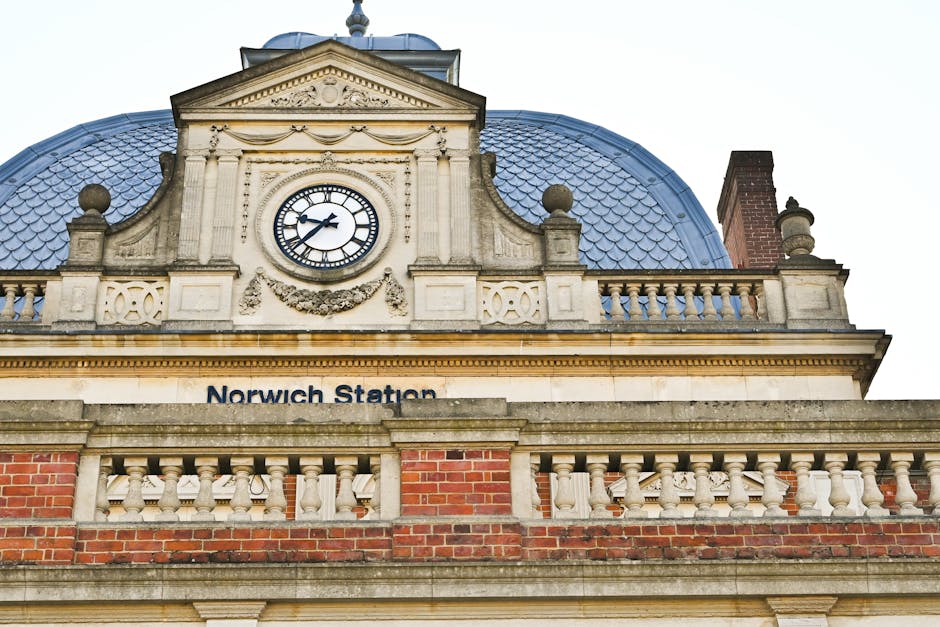
Best removals route advice for West Norwood station pickups
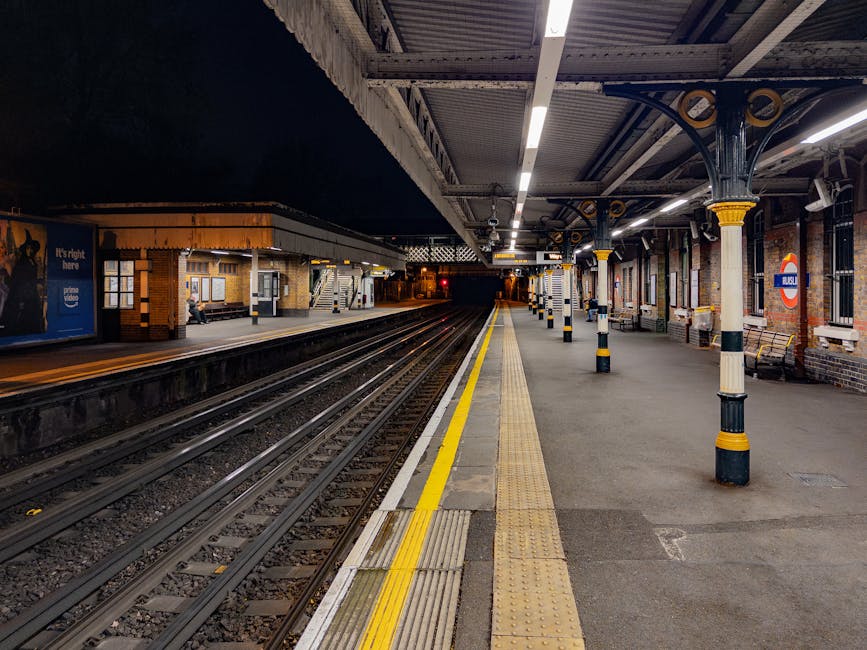
If you are arranging a pickup near West Norwood station, the route matters almost as much as the moving van itself. Small streets, busy school runs, tight corners, and awkward waiting spots can all turn a simple collection into a slow one. The good news? With the right plan, Best removals route advice for West Norwood station pickups is less about guesswork and more about timing, access, and a calm, well-drilled arrival.
In this guide, we will walk through how to choose a sensible route, where delays usually happen, and how to keep a station collection smooth even when the road layout is a bit unforgiving. You will also find practical checklists, a comparison table, and a few hard-won tips that make a real difference on moving day.
Why Best removals route advice for West Norwood station pickups Matters
Station pickups look simple on paper. Park, load, go. In reality, they are shaped by timing and local traffic patterns. Around a station, even a short delay can ripple outward. A van that arrives five minutes late can end up circling twice, blocking traffic, or forcing the crew to carry items much further than planned. That is not just inconvenient; it can add stress for the customer and the movers.
West Norwood has the kind of urban mix that makes route planning worth taking seriously: residential roads, bus activity, parked cars, and the general stop-start rhythm of a busy South London area. You do not need a dramatic plan. You need a sensible one. A pickup near the station should be mapped around access, vehicle size, loading time, and the safest place to stop without creating a headache for everyone else.
For many moves, the difference between a smooth pickup and a messy one is whether somebody thought about the last 200 metres. That sounds small. It is not.
If your job involves a larger household move, it can also help to compare it with broader house removals planning so the station stop becomes just one well-managed part of the day rather than the bit that throws everything off.
How Best removals route advice for West Norwood station pickups Works
The aim is straightforward: get the vehicle to the pickup point with the least friction and the fewest surprises. Route advice is not just about the shortest distance. It is about the route that is easiest to drive, easiest to stop on, and easiest to leave again.
Here is what that usually means in practice:
- Check the approach roads early. A road that looks fine on a map may be awkward in person because of parked cars, narrow sections, or busier turning points.
- Think about the loading side. If the customer's flat, office, or storage point sits on a road with poor stopping options, the crew may need a better nearby pull-in spot.
- Match the van size to the road. A larger vehicle is not always better. Sometimes a medium van or a more agile man with van setup is the practical choice.
- Plan for the return exit. A route that gets you in quickly but traps you on departure is only half a plan.
- Build in time for station-side uncertainty. Passengers, taxis, and delivery vehicles can all make the area more stop-start than you expect.
Good route advice also means deciding who is doing what at each stage. One person should be focused on parking and access. Another should be handling loading order. If you leave both tasks to chance, the pickup often becomes a shuffle. A slightly awkward one, too.
Key Benefits and Practical Advantages
When the pickup route is chosen well, the benefits are immediate and very noticeable.
- Less waiting time: The van arrives ready to load, not stuck hunting for space.
- Lower risk of damage: Fewer awkward carries and fewer rushed manoeuvres mean a safer load-in.
- Better customer experience: Nobody enjoys standing on the pavement wondering where the van has got to.
- Cleaner timing: This matters if the pickup is tied to a train arrival, a key handover, or a fixed building access slot.
- Less pressure on the crew: A clear route gives the team breathing room. And honestly, moving day is easier when people can think.
There is also a commercial advantage. If you run collections regularly, a disciplined approach to station routes helps you complete more jobs in a day without cutting corners. That matters for both cost control and reputation. People notice when the van turns up exactly where and when it should.
For customers comparing service styles, it can be useful to look at how a wider removal services approach compares with a one-off collection. Sometimes the best route plan is part of a bigger moving strategy, not just a single journey.
Who This Is For and When It Makes Sense
This kind of route advice is useful for more people than you might think.
- Home movers collecting boxes, white goods, or furniture near the station
- Students and renters moving into or out of flats with limited access
- Small businesses collecting stock, office items, or archive boxes
- Landlords and letting agents handling end-of-tenancy clearances
- Local residents booking a short-notice pickup after a sale, donation, or furniture swap
It makes the most sense when timing is tight or the pickup point is awkward. For example, if someone is arriving by train with keys, meeting the driver outside the station area, and then walking a few items from a nearby property, you want a route that supports that handover rather than complicates it.
It is also relevant if you are comparing a smaller moving setup with a more traditional crewed job. A station collection may be ideal for a flexible man and van service, while a bigger move might call for a more structured vehicle and team.
Step-by-Step Guidance
Here is a practical way to plan a station pickup without overthinking it.
- Confirm the exact pickup point. Do not rely on "near the station." Pin down the building, gate, road segment, or meeting spot.
- Check the approach route in advance. Look for one-way systems, turn restrictions, parked-car pinch points, and roads that are harder to reverse out of than they first appear.
- Choose the best van size for the road. If the street is narrow, a smaller vehicle may save time overall.
- Set a realistic arrival window. Add a little buffer. Not ridiculous amounts, just enough to absorb normal London traffic wobble.
- Agree how the handover works. Who is bringing the items out? Who is opening doors? Who has the keys? Simple stuff, but people forget it constantly.
- Keep the load order in mind. If the first items in are the last items out, you may make your own life harder at the destination.
- Prepare the exit route too. The job is not complete when the van arrives. It is complete when it leaves cleanly and safely.
A small note from real life: the smoothest jobs are often the ones where somebody sent a quick message before the booking. "The road is tight on the left, and there's a better stop by the side entrance." That single detail can save ten minutes and a lot of awkward repositioning.
Expert Tips for Better Results
Here is where the little improvements start to stack up.
Use the route that reduces turning stress, not just distance
A direct route can be the wrong route if it puts the driver into a messy set of turns, awkward junctions, or heavy stop-start traffic right at the end. A slightly longer road with better access is often the smarter choice.
Think about carry distance before you think about parking perfection
If parking directly outside is impossible, choose the best legal and safe alternative. Sometimes a spot 30 metres away is more practical than waiting endlessly for the "ideal" space.
Keep the load light at the point of pickup
If possible, flatten cartons, remove loose straps, and avoid leaving items scattered around a narrow pavement. You want the loading phase to feel controlled, not improvised.
Book the right type of help
For a simple local pickup, a smaller vehicle may be enough. For a more complex collection, a dedicated removal van can give you more room and a better loading setup. That extra space can be worth it if you are moving several bulky items.
Use the quieter part of the day where possible
West Norwood station areas can be easier to work around at some times than others. Early morning and mid-afternoon are often calmer than the peak commuter rush, though local conditions change day by day. It is worth asking, because timing really can change everything.
And yes, sometimes the road is just the road. A bit annoying, but there it is.
Common Mistakes to Avoid
Most pickup problems come from a few repeated errors. The good news is that they are easy to avoid once you know them.
- Assuming the station frontage is the best stopping point. It often is not.
- Arriving without a backup plan. If the first spot is blocked, know the second option.
- Using a vehicle that is too large for the access. Bigger is not always better.
- Forgetting the destination route. The return journey matters too.
- Leaving items unlabelled. That slows down loading and increases the chance of a mix-up.
- Not accounting for weather. Rain changes handling, visibility, and patience. London weather likes to be unhelpful, naturally.
One of the biggest mistakes is treating a station pickup like a standard driveway collection. It is different. The access environment is more public, more dynamic, and less forgiving. That is why a little route thinking pays off so quickly.
Tools, Resources and Recommendations
You do not need a complicated toolkit to plan a good pickup route. You need a few practical habits and the right information in the right order.
- Street-level checking: A quick visual review of the route is often better than trusting a broad map view alone.
- Message templates: Keep a short note ready for customers asking for access details, loading instructions, and arrival timing.
- Simple inventory list: Knowing the item count helps you judge vehicle size and loading sequence.
- Time buffer: A little slack in the schedule can make a rushed job feel manageable.
If you are deciding how much support you need, the broader removals page is a useful place to understand the range of service levels available, from quick local jobs to fuller moving support. For many people, the right answer is somewhere in between.
It can also be wise to look at practical service information such as pricing and quotes, especially if your station pickup has moving parts: multiple collection points, awkward access, or a short waiting window. Clear expectations help everyone.
Law, Compliance, Standards, or Best Practice
For local pickups, the main point is simple: stay legal, stay safe, and do not block access. In the UK, drivers and movers are expected to observe road rules, loading restrictions, and local parking conditions. If a stop is not allowed, do not improvise. That may seem obvious, but in busy areas people sometimes take risks because the job feels "only for a minute." A minute can still create a problem.
Good practice also means protecting people and property. Safe lifting, sensible load securing, and clear walkways are basic standards, not extras. If you are handling heavy items, careful manual handling matters more than speed. Likewise, if the pickup is happening around other pedestrians, the loading area should remain as tidy and unobstructed as possible.
On the service side, it is sensible to work with a provider that is transparent about insurance and safety and that has clear health and safety policy information available. That does not mean every job is high-risk; it means the basics are taken seriously. And that is reassuring, plain and simple.
Where access is uncertain, always choose the safe interpretation over the convenient one. That is the rule that saves most trouble later.
Options, Methods, or Comparison Table
Different station pickups need different approaches. Here is a straightforward comparison to help you choose.
| Approach | Best for | Strengths | Limitations |
|---|---|---|---|
| Direct station-side pickup | Small, quick collections with easy stopping access | Fast handover, minimal carrying | Can be blocked by traffic, pedestrians, or parking limits |
| Nearby side-street pickup | Areas where the station frontage is too busy | More flexible, usually calmer | May require a slightly longer carry |
| Pre-arranged meet-and-load point | Jobs with tight timing or multiple people involved | Clear coordination, less confusion | Relies on everyone arriving on time |
| Vehicle-first route planning | Bulky or fragile loads | Best for protecting the item and the crew | May not be the shortest route |
In most cases, the best choice is the one that reduces friction, not the one that looks neat on a map. A clever route on paper is nice. A calm pickup in real life is better.
Case Study or Real-World Example
Picture a Friday morning pickup near West Norwood station. The customer has a sofa, three boxes, a bedside table, and a mirror. Nothing outrageous. The issue is access: the flat is close to a busier road, and the first instinct is to stop right outside. That would have worked in theory, except there was nowhere safe to wait, and the traffic kept moving.
Instead, the route was adjusted so the van arrived by a quieter side street first. The driver parked where the loading carry was still manageable, the customer met the van with the keys, and the sofa came out cleanly with no panic. The whole thing was a little less glamorous than the original plan, but a lot more effective.
What made it work? Three things:
- The pickup point was checked before arrival.
- The route allowed for an alternative stopping place.
- The load sequence was organised before the first box moved.
That is the pattern you want. Not perfect. Just efficient, safe, and calm enough that nobody ends the job muttering under their breath.
Practical Checklist
Use this checklist before any West Norwood station pickup:
- Confirm the exact pickup address or meeting point
- Check for one-way roads, parking restrictions, and narrow access
- Choose a vehicle size that suits the road, not just the load
- Plan a backup stopping point
- Agree who is loading, who is unlocking, and who is meeting the van
- Label fragile or priority items clearly
- Keep walkways clear during loading
- Build in a small time buffer
- Secure items properly for transit
- Check the exit route before you leave
Expert summary: A good station pickup route is usually the one that creates the least stress, even if it is not the shortest. If access is easy, the rest tends to follow. If access is poor, everything feels harder than it should.
Conclusion
Best removals route advice for West Norwood station pickups comes down to one practical idea: plan for the real street, not the ideal one. Look at the route, the stopping point, the carry distance, and the exit before the van sets off. That simple bit of preparation can save time, reduce stress, and make the whole job feel far more professional.
Whether you are moving a few boxes, collecting furniture, or coordinating a more involved local pickup, the right route plan helps everyone breathe easier. And honestly, that is what a good removal should do. Keep it steady, keep it safe, and the day usually turns out better than you expected.
Get a free quote today and see how much you can save.
Frequently Asked Questions
What is the best route advice for West Norwood station pickups?
The best advice is to choose the route that gives the van the safest access, the easiest stopping point, and the cleanest exit. Shortest is not always best.
Should I stop directly outside West Norwood station?
Only if it is safe and lawful to do so. In many cases, a nearby side street or better pull-in point is easier and less disruptive.
How early should a removal van arrive for a station pickup?
A small buffer is sensible. Exact timing depends on traffic and access, but a little flexibility usually prevents rushed loading.
Is a smaller van better for station collections?
Often, yes. A smaller or more manoeuvrable vehicle can be easier around tight roads and crowded areas, especially if the load is modest.
What if the pickup point is hard to park near?
Plan a backup stop and keep the carry distance manageable. A legal space a short walk away is usually better than waiting for an impossible kerbside space.
Can route planning reduce moving costs?
It can help indirectly by reducing delays, waiting time, and unnecessary repositioning. A smoother route usually means a more efficient job.
Do I need a full removals service for a station pickup?
Not always. A smaller flexible option may be enough for a few items, while larger or more complex moves may suit fuller support.
What should I tell the driver before the pickup?
Share the exact address, the best access point, any parking issues, the item list, and whether there are stairs, lifts, or awkward entrances.
How do I protect fragile items during a station pickup?
Pack them separately, label them clearly, and place them where they can be loaded last and unloaded first. That simple order helps a lot.
Is it worth checking insurance and safety details before booking?
Yes. It is sensible to confirm how the mover handles insurance and safe working practices, especially if the route or access is tricky.
What is the most common mistake with station pickups?
People often assume the first stopping point will work. It is better to have a backup location in mind before the van arrives.
Where can I find more help with removals near West Norwood?
You can explore related service information such as removals near me and the wider about us page to understand the team and service approach before booking.