Narrow Stairs in West Norwood? Bulky Item Move Solutions
Posted on 10/06/2026
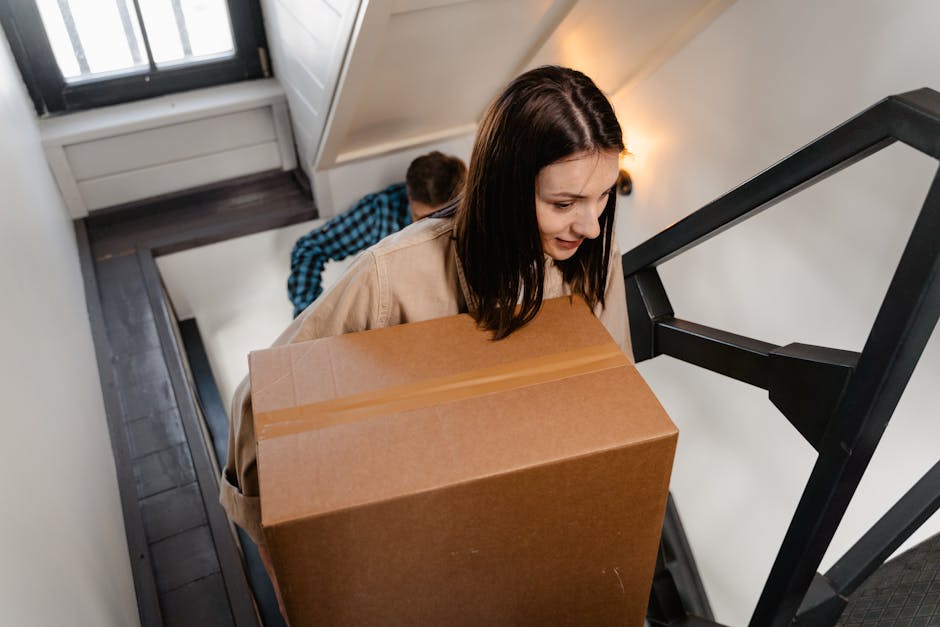
If you live or work in a place with tight stairwells, awkward turns, or a landing that seems to shrink the moment a sofa appears, you already know the problem: moving bulky items is rarely as simple as "just carry it down." In West Norwood, where flats, maisonettes, older conversions, and shared buildings can all bring their own access quirks, Narrow Stairs in West Norwood? Bulky Item Move Solutions is not a niche concern. It is often the difference between a calm move and a stressful, stop-start day.
This guide walks you through the practical side of getting large furniture, appliances, and delicate heavy items out safely when the staircase is working against you. You will find the key planning steps, common mistakes, realistic options, and a few local-minded tips that make the whole job feel less impossible. Let's face it, nobody wants to discover at the top of the stairs that the wardrobe was "just a bit too ambitious."
Why Narrow Stairs in West Norwood? Bulky Item Move Solutions Matters
Narrow stairs change the whole moving equation. A bulky item is not just "heavy"; it is often wide, awkward, fragile, or all three at once. A sofa can twist and snag on a bannister. A mattress can flex more than expected and still refuse to pass a tight corner. A freezer or washing machine might be perfectly manageable on flat ground, then suddenly feel twice the weight on a steep internal flight.
That matters for three reasons. First, there is the risk of damage to the item itself: scuffed upholstery, cracked wood, dented corners, bent feet, ripped fabric. Second, there is the building: chipped walls, marked paintwork, damaged spindles, broken light fittings, even cracked tiles on a landing. Third, and most importantly, there is the risk to the people doing the lifting. Bad posture on stairs is where strains and slips happen.
In West Norwood, this can come up in converted Victorian homes, upper-floor flats, split-level layouts, and older properties where stair geometry was never designed with modern furniture in mind. The issue is not always the staircase being tiny; sometimes it is the angle, the turn, or the lack of a proper pause point. A move that looks straightforward from the street can become a puzzle once the item reaches the first landing.
Expert summary: if the item is large, valuable, brittle, or difficult to grip, the safest approach is to treat the stair route as a measured task rather than a simple carry. That one change in mindset prevents a lot of avoidable drama.
How Narrow Stairs in West Norwood? Bulky Item Move Solutions Works
The basic idea is simple: before anything is moved, the route, the item, and the lift plan are checked together. In practice, that means measuring, assessing obstacles, and deciding whether the item should go straight down the stairs, be turned and lowered in stages, be partially dismantled, or be carried by a team using protective handling equipment.
A proper bulky-item move on narrow stairs usually follows this logic:
- Assess the item - note width, height, weight, shape, weak points, and whether it can be dismantled safely.
- Check the route - measure stair width, landing space, ceiling height, banisters, radiators, sharp turns, and doorway clearances.
- Choose the handling method - upright carry, angled carry, two-person pivot, partial disassembly, or specialist lifting support.
- Protect surfaces - use blankets, corner guards, floor runners, and wrap where needed.
- Coordinate the move - clear communication matters more than people think. One person leads, one responds, and nobody improvises mid-step.
For especially awkward items, the answer may not be brute force at all. Sometimes a sofa goes out better after the feet are removed. Sometimes a bed frame moves more safely after the slats or headboard are detached. And sometimes a refrigerator is safer to move after it has been properly emptied, dried, and positioned on equipment designed for the task. If you want a deeper look at fridge prep, the article on preserving freezer functionality during periods of rest is a useful companion read.
That is really the heart of it: the move is planned around the staircase, not the other way around.
Key Benefits and Practical Advantages
Choosing the right bulky-item approach for narrow stairs gives you more than just a successful lift. It reduces friction across the whole move.
- Less risk of damage to furniture, walls, flooring, and bannisters.
- Safer handling for anyone involved in carrying, guiding, or spotting the item.
- Better timing, because a planned move is usually quicker than repeated failed attempts.
- More confidence, especially if you are already juggling keys, parking, neighbours, and a tight schedule.
- Less stress in the building, which matters in shared flats and close-quarters stairwells where noise and disruption are noticeable.
There is also a less obvious benefit: the move tends to feel more controlled. People often underestimate how much mental load a staircase adds. When the route is awkward, every pause becomes a question mark. Will it turn? Will it scrape? Will the person below be able to shift their grip? A clear plan removes a lot of that uncertainty.
That is why homeowners and tenants often pair bulky-item planning with wider moving preparation. For example, decluttering before moving day helps immensely, and the guide on smart decluttering tactics for moving day success is a sensible place to start if you want to make the load lighter before it even reaches the stairwell.
Who This Is For and When It Makes Sense
This approach makes sense for anyone dealing with awkward access, but it is especially useful if you fall into one of these groups:
- Flat movers on upper floors with narrow communal stairs.
- House movers in older West Norwood properties with tight internal turns.
- Students moving beds, desks, and shelving into small rooms.
- Families relocating sofas, wardrobes, cots, and appliances.
- Office movers handling desks, filing cabinets, monitors, and equipment through stair-only access.
- Anyone moving bulky specialist items such as pianos, large mirrors, or oversized cabinets.
It also makes sense when time is tight. If you need a same-day turnaround, a methodical plan matters even more. A rushed move down narrow stairs is where mistakes multiply. In those cases, it helps to look at options such as same-day removals in West Norwood or a flexible man with a van West Norwood setup, depending on the size and urgency of the job.
Truth be told, if you are already wondering whether the item will fit, that is usually your sign to slow down and plan properly. A five-minute check can save a very long afternoon.
Step-by-Step Guidance
Here is a practical way to handle bulky items on narrow stairs without turning the day into a guessing game.
1. Measure the item and the route
Take width, height, and depth measurements of the item, including any handles, feet, or protruding corners. Then measure the narrowest part of the staircase, the landing, and any doorways on the route. People often measure the obvious part and forget the awkward bit - the twist at the top of the stairs, for instance.
2. Check whether it can be dismantled
Many items become much easier once they are partially taken apart. Bed frames, wardrobes, desks, dining tables, and some sofas can often be reduced in size if the construction allows it. If you are moving a bed, you may find the advice in best practices for bed and mattress relocation especially useful.
3. Clear the stairwell completely
Remove rugs, shoe racks, plants, baskets, and anything else that narrows the pathway. Keep children and pets away. If there is a communal hallway, make sure it is not blocked with parcels or bicycles. Small obstructions have a funny habit of becoming huge once a large item is moving.
4. Protect the surroundings
Use blankets, padding, and floor protection where possible. On older staircases, paintwork can chip easily, and a quick brush against a wall can leave a mark. If the item is delicate, wrap the vulnerable edges first rather than only covering the middle.
5. Decide the carry method
Some items move best upright; others need to be angled and rotated. Sofas often require a careful tilt. Mattresses may need a two-person glide with a controlled bend. Tall cabinets sometimes go better when turned slightly sideways on the landing. This is where coordination matters. One unclear instruction and the whole rhythm goes off.
6. Use the right number of people
It is tempting to assume two strong people can manage anything. Not always. A bulky item on tight stairs may need a third person to guide from above or below, especially if sightlines are limited. And if the item is genuinely heavy, there is no shame in calling for help. None at all.
7. Move slowly and pause before each turn
Rushing is what causes knocks, slips, and bad lifts. Pause at the landing, reset your grip, and communicate the next move before making it. This is one of those boring rules that turns out to be very important.
8. Load the vehicle strategically
Once the item is out of the building, it still needs to be loaded safely. Keep the route from door to van clear, and make sure the item is positioned securely inside the vehicle. If you are comparing vehicle options, pages like removal van West Norwood and man and van West Norwood can help you think through the practical fit.
Expert Tips for Better Results
The best stair moves are won before the item reaches the staircase.
Here are a few habits that make a real difference:
- Remove loose parts early. Cables, shelves, drawers, and cushions all add awkwardness.
- Use gloves with grip. They help more than people expect, particularly on smooth surfaces.
- Keep talking. Short calls like "hold", "pivot", "down", or "reset" are clearer than long instructions.
- Work around the light. If a landing is dim, bring better lighting rather than guessing where the edge is.
- Protect the item first, then the room. A blanket on the wall is only useful if the item itself is already secure.
- Plan the route backwards. If the item got into the room via a certain angle, reverse that logic for the exit.
One small but useful tip: tape is often overused. People put tape everywhere and then spend ten minutes peeling it off later. A lighter touch usually does the job. Not glamorous, but effective.
If your item is fragile as well as bulky, especially furniture with leather, fabric, or polished surfaces, a specialist approach is worth considering. The article safeguard your sofa with timeless storage tips covers some of the thinking that also applies before a difficult move.
Practical takeaway: on narrow stairs, success usually comes from preparation, communication, and patience - not from trying harder for the same result.
![A wide, curved stone staircase with multiple steps leading upward, featuring smooth, rounded handrails on each side that extend from the bottom to the top. The stairs are made of grey concrete or limestone and show signs of weathering. On the right side near the lower steps, a small bundle of dried branches is visible. The staircase is situated outdoors, framed by stone walls on either side, and appears to be part of a historic or decorative garden feature. The lighting suggests natural daylight, with no visible furniture, boxes, or moving equipment present. This setting reflects a typical exterior staircase which can be a challenging feature for home relocations involving bulky furniture or large items that need to be navigated through narrow or curved stairways, an area where [COMPANY_NAME] offers professional removal solutions and furniture transport services.](/pub/blogphoto/narrow-stairs-in-west-norwood-bulky-item-move-solutions2.jpg)
Common Mistakes to Avoid
Most problems on tight stairs are predictable. That is the annoying part, really. The good news is that predictability means you can avoid them.
- Skipping measurements. "It should fit" is not a measurement.
- Ignoring landing space. A sofa may clear the stairs but fail at the turn.
- Forcing the item through. If it is scraping, it is telling you something.
- Poor communication. Different lifting rhythms cause wobble and strain.
- Underestimating weight. Many bulky items are heavier once the grip becomes awkward.
- Leaving clutter in the way. A single box on a landing is enough to cause trouble.
- Using the wrong vehicle or loading plan. If the item is hard to get out of the building, it needs equally careful loading afterwards.
There is also a planning mistake that happens a lot in local moves: people book the van but not the route timing. In parts of SE27, access timing can matter quite a bit, so reading pieces like best times to hire a van on Norwood Road or van access times for moves from Crown Lane can help you avoid avoidable delays.
Tools, Resources and Recommendations
You do not need a warehouse full of kit, but a few well-chosen tools make a bulky move far easier.
| Tool or resource | Why it helps | Best use case |
|---|---|---|
| Furniture blankets | Protects surfaces from knocks and scuffs | Wooden frames, sofas, cabinets |
| Ratchet straps or strong ties | Keeps items secure during loading and transit | Heavy or tall furniture |
| Grip gloves | Improves handling and reduces slipping | Mattresses, drawers, appliances |
| Floor protection | Stops dirt and damage on stairs and hallways | Shared buildings and painted staircases |
| Basic measuring tape | Confirms fit before the lift starts | Any tight route |
| Disassembly tools | Helps reduce the item size where safe | Beds, wardrobes, tables |
When the move is more complex than a standard carry, it may be worth using a professional removals service rather than trying to improvise. Relevant options include furniture removals West Norwood, removal services West Norwood, and for a broader moving project, removals West Norwood. If you are still weighing up the level of help you need, the overview at services overview is a sensible starting point.
For people moving on a tighter budget or with a lighter load, packing and preparation can make a huge difference. The guide to packing and boxes West Norwood is useful if your big item is only part of the job and you want to keep the overall move tidy and manageable.
Law, Compliance, Standards, or Best Practice
For most domestic moves, there is no special legal barrier to carrying bulky items down narrow stairs, but there are still clear best-practice expectations around safety, property care, and fair handling. In the UK, movers and customers alike should think in terms of reasonable care, risk awareness, and clear communication.
Where a building has shared access, it is sensible to avoid blocking communal routes, leaving items unattended, or causing preventable damage. If you are in a managed property, leasehold flat, or shared staircase, it is also wise to check any building-specific access rules in advance. That might sound obvious, but in the rush of move day, obvious things get missed.
From a safety perspective, the common sense rules are the ones that matter: lift with enough people, do not carry beyond your capacity, keep sightlines clear where possible, and stop if the item becomes unstable. This is especially important for awkward or heavy objects like pianos and large appliances. For a more specialised look at difficult items, professional piano moving secrets is worth reading because the principles of control, padding, and route planning overlap strongly.
If you are hiring help, choosing a business with clear policies on health and safety, insurance, payment, and complaints handling gives you more reassurance. That is not paperwork for its own sake. It is part of getting the job done without surprises.
Options, Methods, or Comparison Table
There is more than one way to handle a bulky move on narrow stairs. The right choice depends on the item, the route, the time available, and how much risk you want to take on.
| Method | Best for | Pros | Limitations |
|---|---|---|---|
| Two-person manual carry | Lighter bulky items | Flexible, quick, simple | Risky on tight turns or heavy loads |
| Three-person guided carry | Awkward items with tricky angles | More control and safer turning | Needs coordination and space |
| Partial disassembly | Furniture that can be taken apart | Reduces size and friction | Requires tools and time |
| Specialist moving support | Fragile, heavy, or unusually shaped items | Better handling and lower damage risk | Usually costs more than basic help |
| Storage and staged move | Very full homes or awkward schedules | Can reduce pressure on move day | Needs extra planning |
For many West Norwood households, the best solution is not a single method but a combination. Maybe the bed is dismantled, the wardrobe is carried in sections, and the sofa is wrapped and turned carefully on the landing. That layered approach often works better than a hero attempt. Which, frankly, is a relief.

Case Study or Real-World Example
Here is a realistic example based on the sort of situation people run into all the time.
A tenant in a first-floor flat in West Norwood needed to move a large corner sofa, a double bed frame, and a heavy chest of drawers. The stairwell was narrow, with a tight turn at the midpoint and a small landing. At first glance, the sofa looked like the biggest issue. In practice, the bed frame caused the most trouble because its long panels awkwardly met the turn, and the chest of drawers had a vulnerable top edge that could easily scrape the wall.
The move went smoothly only after three things changed:
- the bed was partly dismantled before the crew arrived;
- the stair route was cleared and padded;
- the sofa was rotated slowly at the landing instead of being forced through in a straight line.
The lesson was simple. The item that looked hardest was not always the hardest. In stair moves, geometry wins. Not muscle.
That is why people often choose a local moving setup that matches the access conditions, whether that means a more flexible vehicle choice, extra lifting help, or a careful schedule. If you are comparing practical moving options, man and van West Norwood and removal companies West Norwood can both be useful starting points depending on the scale of the job.
Practical Checklist
Before moving any bulky item down narrow stairs, run through this checklist. It saves time, and it saves arguments too.
- Measure the item, including handles, feet, and any protruding sections.
- Measure the narrowest stair width and the tightest landing turn.
- Check whether the item can be safely dismantled.
- Clear the stairs, hallways, and landing of all obstacles.
- Protect walls, floors, and corners with padding where needed.
- Confirm how many people are needed for the lift.
- Agree on simple commands before the move starts.
- Use gloves or grip aids if the surface is slippery.
- Plan where the item will go in the vehicle.
- Keep children, pets, and bystanders away from the route.
- Have a backup plan if the item does not fit as expected.
- Allow extra time. Tight stairs rarely respect optimistic estimates.
If the item is sensitive to storage conditions before or after the move, it may also be worth thinking about where it will sit temporarily. The article on storage in West Norwood can help if your move needs a pause between address A and address B.
Conclusion
Narrow stairs do not have to turn a move into a nightmare, but they do demand respect. The safest and most efficient bulky-item moves in West Norwood usually come from good measuring, smart preparation, and the right number of hands at the right moment. That is especially true when the item is large, fragile, or simply awkward to angle through a tight stairwell.
In other words: plan first, lift second. If you do that, you dramatically reduce the chances of damage, strain, and last-minute panic on the landing. And if your move is broader than one awkward item, the right combination of preparation and local support can make the whole day feel much more manageable.
Get a free quote today and see how much you can save.
Sometimes the difference between a rough move and a calm one is just a bit of foresight. That, and maybe a decent grip on the bannister.