Norwood Road Parking Suspensions: Van Loading Rules (Lambeth)
Posted on 06/07/2026
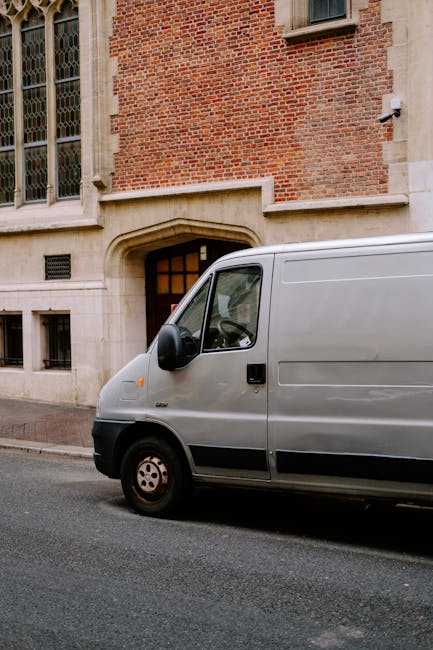
Trying to load a van on Norwood Road can look simple from the pavement, then suddenly become a small puzzle with big consequences. A suspension sign appears, the kerb space you were counting on disappears, and the clock starts ticking. That is exactly why Norwood Road Parking Suspensions: Van Loading Rules (Lambeth) matters for removals, deliveries, and quick loading stops in SE27. If you are moving a sofa, shifting boxes, or arranging a same-day pickup, the difference between a smooth load and a costly delay often comes down to knowing where stopping is allowed, how long you can stay, and what counts as reasonable loading. This guide breaks the topic down in plain English, with practical steps, local context, and a few hard-earned lessons from real moving-day scenarios.
You will also find useful pointers on timing, permits, planning around suspensions, and when to adjust your moving approach rather than forcing a bad one. To be fair, that one change can save a whole afternoon.
Why Norwood Road Parking Suspensions: Van Loading Rules (Lambeth) Matters
Norwood Road is busy, narrow in places, and often used by local traffic that is already under pressure. Add a parking suspension into the mix and a van driver can go from "I'll just pull up here" to "Where on earth do I stop?" in seconds. That matters because loading is not the same as parking, but the boundary between the two can be surprisingly strict when restrictions are active.
For households and businesses in Lambeth, the practical risk is not just a penalty. It is delay. A missed lift slot. A missed handover window. A crew carrying wardrobes an extra 100 metres because the closest bay is suspended. If you have ever stood on a pavement with a mattress in drizzle while searching for a legal stopping point, you will know the mood changes fast.
The issue also matters because local loading often depends on a few moving parts at once: the type of restriction on the street, how clear the suspension signage is, whether loading is actually permitted during the restriction period, and whether the vehicle is continuously engaged in loading activity. In real life, that means planning beats improvising every time.
If your move involves awkward items, blocked access, or a tight building entrance, it helps to think ahead about the whole chain, not just the parking spot. Guides like what to do when lifts or delivery bays are blocked in West Norwood and bulky-item solutions for narrow stairs are a good reminder that the street outside the building is only one part of the job.
How Norwood Road Parking Suspensions: Van Loading Rules (Lambeth) Works
In simple terms, a parking suspension temporarily removes or changes the normal parking use of a section of road. Councils do this for a range of reasons: roadworks, utility access, building works, removals, safety, or street management. On Norwood Road, that can mean a bay or kerb space is unavailable for ordinary parking, even if it looked fine the day before.
Loading rules sit alongside that suspension. Sometimes loading may still be allowed, sometimes it may be limited, and sometimes the suspension overrides any usual loading allowance. The key point is that you should never assume a van can stop just because it is loading. In practice, loading is usually expected to be:
- directly connected to a genuine loading/unloading task
- carried out without unnecessary delay
- limited to the time needed for the job
- supported by sensible evidence if needed, such as visible moving activity
On a busy road, that can be the difference between an accepted loading stop and a situation that gets challenged. If you are booking a removals vehicle for a narrow SE27 street, timing matters too. The article on the best times to hire a van on Norwood Road is especially useful if you are trying to avoid the worst of local traffic and curbside pressure.
There is also a practical reality here: suspensions can change access patterns more than people expect. A van that would normally sit at the door may have to stop further away, which changes labour time, carrying distance, and the number of trips. That is why even a short suspension should be treated like a planning issue, not a side note.
What loading usually means in practice
For most moving jobs, loading means an active transfer of items between property and vehicle. It is not the same as waiting around, checking your phone, or popping inside for a cup of tea. A quick pause is not automatically a problem, but the vehicle should remain in use for the loading task. A driver should be ready to move if the space becomes unsafe or if restrictions make the stop invalid.
That sounds obvious. Still, on moving day, obvious things have a habit of disappearing.
Key Benefits and Practical Advantages
Getting Norwood Road parking suspension rules right is not only about avoiding hassle. It gives you room to work properly. A valid loading plan can save time, reduce stress, and make the whole move feel less chaotic. A van loaded close to the property means fewer carrying trips, less risk of drops or damage, and less physical strain for everyone involved.
Another benefit is predictability. When you know where the van can stand and for how long, you can build the rest of the schedule around it. That helps if you have a building concierge, a lift booking, or a property handover window. It also helps if you are coordinating with a chain of other tasks like cleaning, packing, or dismantling furniture.
If you are already thinking about the bigger moving picture, a few supporting reads can help. For example, packing efficiently for a smoother move and decluttering tactics for moving-day success can both reduce how long the van needs to stay close to the property.
There is also a safety angle. Less carrying distance usually means fewer awkward turns, less rushing, and fewer chances of damaging walls, doors, or the item itself. That matters most with heavy furniture, white goods, pianos, and anything that needs two people to move properly.
Expert summary: the best loading plan is not the one that tries to squeeze around the rules; it is the one that fits the rules cleanly, keeps the job moving, and gives the crew space to work without second-guessing every kerbside decision.
Who This Is For and When It Makes Sense
This topic is relevant to a lot more people than you might think. It is not just for removal companies or professional van drivers. If you are hiring a van, moving flats, collecting furniture, handling a business delivery, or shifting bulky items around SE27, the parking suspension/loading question probably affects you.
It tends to matter most when:
- you are moving from or to a property on Norwood Road
- the street has active parking suspensions or road occupation
- you need close vehicle access because of heavy or fragile items
- you are working to a strict time slot
- you are trying to avoid multiple long carries from distant side roads
Students, landlords, homeowners, office managers, and anyone using a man and van service in West Norwood can all run into the same basic issue. In a student move, for instance, the items may be smaller but the deadline is usually tighter. For offices, the problem is often less about volume and more about not blocking the road while equipment is being loaded.
There is a sensible moment to stop and think: if the road outside is already under pressure, would a slightly earlier start, a smaller vehicle, or a different approach be better? Sometimes yes. That is not failure. That is just smart planning.
Step-by-Step Guidance
If you want a practical approach, use this sequence. It is not flashy, but it works.
- Check the street status early. Don't wait until moving morning. Confirm whether there are parking suspensions on the exact section of Norwood Road you need.
- Read the signage on the day. Temporary signs can override assumptions, even if the bay usually allows loading.
- Match the vehicle to the job. If access is tight, a smaller van may be easier to place legally than a larger one.
- Keep the loading activity continuous. Have items ready, clear paths, and helpers in place before the van arrives.
- Allow a buffer. A few extra minutes for stairs, door codes, or lift delays can make a big difference.
- Have a fallback spot. If the closest space is unavailable, know your nearest legal alternative before you arrive.
- Document the plan. Save booking details, moving instructions, and any permit or suspension notes in one place.
That last one sounds fussy, but honestly, it is a life-saver. One message thread, one screenshot, one note. It keeps everybody sane.
If you are handling furniture or complex items, it also helps to read the right preparation guides beforehand. furniture removals in West Norwood and bed and mattress relocation tips can give you a better sense of how access and loading time affect the whole move.
Expert Tips for Better Results
A few small choices can make curbside loading much easier. First, pack by order of unloading. If the first items off the van are the last items packed, you lose time and create chaos at the curb. Second, protect the heaviest items for the centre of the van and keep the light, awkward pieces near the top or sides. That reduces reshuffling during loading.
Third, try to keep the front door, hallway, and van route clear. It sounds basic, but in a live move the route gets blocked by bags, bubble wrap, and that one box nobody knows what to do with. Fourth, assign one person to manage the loading flow. If too many people are giving directions, the job gets slower, not faster.
For bigger or more delicate items, specialist handling is worth considering. A piano, for example, is a different kind of headache. You can save yourself a lot of trouble by reviewing piano removals in West Norwood and the related piece on professional piano moving secrets if your move includes anything that needs careful handling.
And if you are storing anything between moves, the loading plan changes again. A sofa left in transit storage, for instance, needs proper wrapping and positioning. Sofa storage tips can help avoid avoidable wear. Yes, avoidable wear is a phrase, but it is accurate.
![A row of five white commercial vans parked closely together on a street, with their rear doors and license plates visible. The vans are positioned side by side, facing away from the camera, with a clear view of their back windows, taillights, and rear bumpers. The vans are part of a moving or furniture transport fleet used for house removals, with the side of one van displaying the company's website, indicating professional relocation services. The environment is outdoors with bright daylight, and the vans are situated on a paved surface. This setup reflects the logistical aspect of home relocation or furniture transport, handled by [COMPANY_NAME], supporting efficient loading and unloading processes for house removals.](/pub/blogphoto/norwood-road-parking-suspensions-van-loading-rules-lambeth2.jpg)
Common Mistakes to Avoid
Most problems on this kind of job are not dramatic. They are small mistakes that stack up. The most common one is assuming that any loading stop is fine because the van is "only there for five minutes". Five minutes is still enough for a fine or a complaint if the restriction is active and the stop is not permitted.
Another mistake is leaving packing until the van arrives. That creates a queue on the pavement, slows the process, and can turn a valid loading stop into a messy half-hour. People also forget to plan for the return trip. If the van leaves and later needs to come back, the original space may be gone.
- Do not rely on memory for local restrictions.
- Do not treat a suspension sign as optional.
- Do not block pedestrians while waiting for the door to be opened.
- Do not assume the driver can "just pop in" and be back quickly.
- Do not ignore access constraints inside the building.
A very human mistake, and one I have seen more than once, is the whole team staring at the van while nobody is actually carrying anything. It happens. Then time slips away and everyone wonders where the morning went.
Tools, Resources and Recommendations
You do not need a toolkit the size of a hardware store, but a few useful items make a real difference. A trolley or sack truck can save backs and speed up repeated trips. Furniture blankets, straps, and good tape reduce damage and keep the load stable. Door wedges are handy when a doorway needs to stay open for the moving run.
For planning, keep a simple moving sheet with the property address, access notes, item list, and timing. If there is a lift booking, entry code, or building manager contact, put it on the same sheet. That sounds basic, but it keeps the day from becoming a scavenger hunt.
For support with the wider move, these pages may be useful depending on what you are doing:
- removal van options in West Norwood
- removals in West Norwood
- packing and boxes in West Norwood
- storage in West Norwood
And for people preparing their property before moving out, how to achieve a clean home before moving out is worth a look. A clean handover and a tidy loading plan usually go together more neatly than people expect.
Law, Compliance, Standards, or Best Practice
Because this topic touches parking, road use, and loading, it is sensible to be careful. Local parking suspensions and loading permissions are governed by council rules and street-specific signage, and those can change. In practice, the safest approach is to treat the sign on the street as the immediate authority and to check any booking information carefully before relying on a loading stop.
General best practice in the UK is straightforward: do not block traffic, do not block pedestrians, do not leave a vehicle unattended in a way that conflicts with the restriction, and do not overstay the time genuinely needed for loading. If a bay is suspended, the loading allowance may be narrower than usual or may be limited by the wording on the sign.
It is also wise to think about safety duties. Loading should be done in a way that reduces the risk of injury and property damage. That means clear lift routes, sensible manual handling, adequate staffing, and no rushing around a wet pavement with a heavy wardrobe because "the space might disappear in a minute".
If you are weighing up whether a move is straightforward enough for a basic van booking or needs more coordination, it can help to review the company's approach to health and safety and insurance and safety. The exact rules vary by situation, but good process usually looks calm, documented, and practical.
Options, Methods, or Comparison Table
There is more than one way to handle a Norwood Road loading job. The best option depends on the street conditions, the size of the move, and how strict the suspension is on the day. Here is a simple comparison.
| Approach | Best for | Pros | Watch-outs |
|---|---|---|---|
| Direct kerbside loading | Short, simple moves where space is available | Fastest carry distance; least effort | Only works if the space is genuinely usable |
| Nearby side-street loading | When Norwood Road bays are suspended or tight | Often more flexible; can be safer than forcing a stop | Longer carry; may need more labour time |
| Timed early-morning loading | Busy streets with predictable daytime pressure | Less congestion; often calmer to manage | May need stricter punctuality from everyone |
| Smaller vehicle split-load | Restricted access or awkward street layout | Easier to position legally; sometimes easier for multiple trips | Can take longer overall and cost more in labour |
In some cases, the right move is not to fight the suspension at all. It is to adapt the loading plan and accept a slightly longer carry. That is not ideal, obviously, but it can be the cleaner option when the road is crowded.
Case Study or Real-World Example
Here is a realistic example. A couple in SE27 were moving from a first-floor flat near Norwood Road on a weekday morning. They had boxes, a bed, a dining table, and two awkward armchairs. The nearest bay was under a temporary suspension, and the first instinct was to see whether the van could stop "just for a minute".
Instead, they rechecked the street layout, used a nearby legal stopping point, and carried the lighter boxes in one run while the larger furniture followed in a second. It took a little longer, yes. But the move stayed organised, no one was arguing over the pavement, and the van avoided the back-and-forth of trying to squeeze into a space that was no longer available.
The most useful lesson? The team had packed by room, labelled the fragile items, and kept the hallway clear before the van arrived. That meant the longer carry distance did not become a bigger problem than it needed to be. A small change, really, but it stopped the day from tipping into stress.
If the move had involved students or a last-minute flat change, a resource like student removals in West Norwood or same-day removals in West Norwood could have been the more practical route.
Practical Checklist
Use this checklist before the van arrives. It is simple, but it catches the usual slip-ups.
- Confirm whether Norwood Road has a parking suspension on your section.
- Read the exact wording on any suspension or loading sign.
- Decide where the van will stop if the nearest bay is unavailable.
- Prepare boxes, furniture, and loose items before arrival.
- Keep stairwells, hallways, and entryways clear.
- Assign one person to communicate with the driver.
- Protect fragile items and heavy furniture properly.
- Plan for any lift booking, access code, or concierge process.
- Allow extra time for carrying items from a fallback stopping point.
- Have a backup plan if the street is busier than expected.
For packing support, the article on effortless packing is useful, especially if you are trying to avoid the classic last-minute box scramble. That scramble is always louder than it should be. Tape, footsteps, someone asking where the kettle is... you know the scene.
Conclusion
Norwood Road parking suspensions are not just a minor roadside detail. For van loading in Lambeth, they can shape the whole rhythm of a move: where the van stops, how far items are carried, how long the job takes, and how calm the day feels. Once you understand the loading rules, the rest becomes much easier to manage.
The main thing is to plan with the street, not against it. Check the signage, keep the loading active, build in time, and choose the smartest stopping point rather than the most convenient one on paper. That approach is usually faster in the end, and far less stressful.
And if you are coordinating a wider move, from a flat clearance to a furniture delivery, a bit of prep goes a long way. Little decisions made the day before often decide whether moving day feels smooth or strangely chaotic.
Get a free quote today and see how much you can save.
Sometimes the best moving day is the one where the street feels manageable, the boxes are labelled, and the van arrives exactly where it should. Quietly satisfying, that.